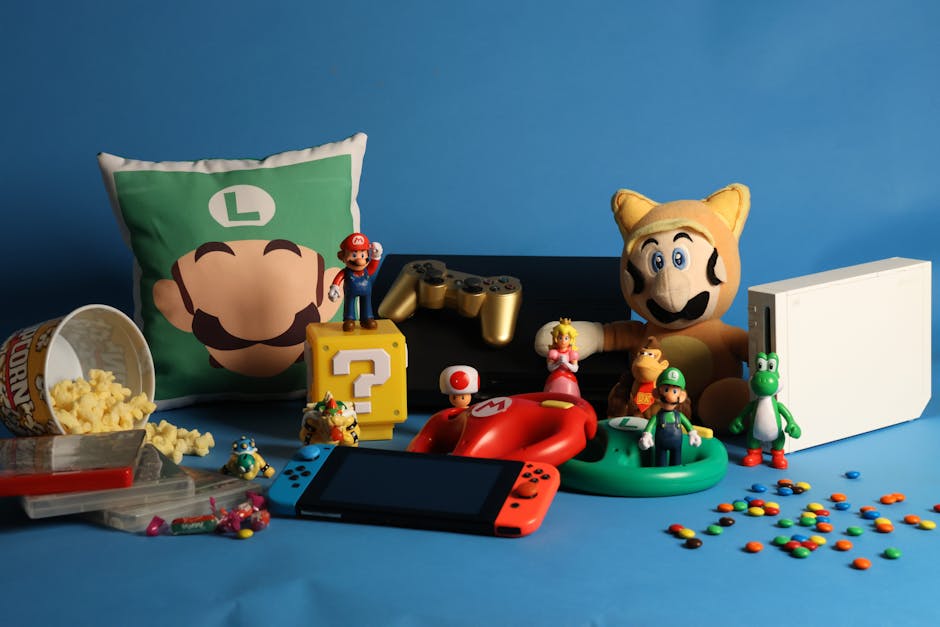
Super Mario Wonder represents a significant evolution in cooperative platforming, specifically designed to bridge the skill gap between parents and their young children. Its innovative assist mechanics transform what could be a frustrating experience into a joyful, shared adventure. By focusing on inclusion and capability, the game ensures that every player feels valuable. This design philosophy marks a departure from traditional co-op modes that often leave less experienced players behind. The ability for a child to play as Yoshi is a cornerstone of this inclusive design. This character choice grants players a higher jump, making platforming sections that would normally be challenging far more accessible. Crucially, Yoshi is invincible to enemy attacks, which completely removes the fear and frustration of sudden failure for a young player. This allows children to explore the vibrant levels with confidence, experimenting and learning game mechanics without pressure. The sense of safety empowers them to engage with the game world on their own terms. It fundamentally changes the dynamic from one of survival to one of discovery and fun.
Another revolutionary feature is the bubble mechanic, which elegantly solves the problem of player death in a cooperative setting. When a child makes a mistake and falls off a ledge or is hit, their character is encased in a bubble instead of being eliminated. This bubble then floats harmlessly, allowing the child to remain visually present in the action. After a short period, the bubble pops, and the player seamlessly rejoins the game without any complex resurrection steps. This continuous engagement is vital for maintaining a young child’s interest and preventing feelings of disappointment. It ensures the flow of the game is never harshly interrupted by failure.
The cooperative mechanics extend far beyond simple character revival. One of the most empowering features allows one player to ride on another’s back. This is not merely a cosmetic or passive action; it serves a direct and valuable gameplay purpose. A parent can carry their child across a particularly difficult gap, or conversely, a child riding as Yoshi can use their flutter jump to help the parent reach a high platform. This physical interdependence creates moments where the child’s participation is tangibly helpful. It fosters a genuine sense of partnership and shared accomplishment. This design philosophy consciously shifts the experience away from the common ‘carry’ dynamic found in many games. Instead of a parent simply completing objectives while a child watches, Super Mario Wonder structures challenges that require active collaboration. The game is filled with secrets and collectibles that are easier to find with two sets of eyes working together. A child might spot a hidden block that the parent missed, or vice versa, leading to a moment of shared excitement. This makes the child feel like a detective and an explorer, not just a passenger.
The emotional impact of this design on a young child cannot be overstated. Constantly failing in a game can be disheartening and can quickly lead to a loss of interest. Super Mario Wonder’s systems are built to generate positive reinforcement and a sense of competence. When a child successfully uses their character’s ability to help their parent, they experience a genuine ‘I did it!’ moment. This builds self-esteem and makes them eager to continue playing and contributing. The game becomes a source of confidence rather than frustration. For parents, the experience is equally rewarding. They are no longer tasked with the burden of managing their child’s frustration or artificially creating opportunities for them. The game’s mechanics handle this organically, allowing the parent to simply enjoy the adventure alongside their child. They can witness their child’s problem-solving skills and joy firsthand, creating cherished memories. This shared, positive engagement strengthens the bond between parent and child through a common, achievable goal.
The level design in Super Mario Wonder complements these assist mechanics perfectly. The worlds are filled with multiple paths and solutions to obstacles, encouraging experimentation. A difficult jump might be circumvented by finding a hidden vine or using a newly acquired Wonder Flower effect. This non-linear approach means that if one player struggles with a specific challenge, the pair can often find an alternative route. It reinforces the idea that there is no single ‘right’ way to play, empowering both players to think creatively. Power-ups and the new Wonder Seeds further enhance the cooperative play. These items often have effects that benefit the entire team, not just the individual who collects them. A Wonder Flower might transform the entire stage, creating a surreal and hilarious scenario that both players experience together. These shared, unexpected moments become the highlights of a play session, unique stories that the parent and child can laugh about later. They break up the standard platforming with doses of pure, cooperative whimsy.
The game’s communication system also supports its inclusive nature. Simple, context-sensitive emotes allow players to signal to each other without needing complex verbal instructions. A child can point to a hidden area or express excitement with a single button press. This reduces the potential for miscommunication and helps young players who may not yet have the vocabulary to articulate complex game strategies. It’s a subtle but effective tool that smoothes the collaborative process. The social dynamics within the game mirror healthy real-world collaboration. The parent and child must often discuss which path to take or how to tackle a particular enemy. They celebrate discoveries together and support each other through tricky sections. This practice in teamwork, communication, and mutual support has value that extends beyond the television screen. It teaches children the fundamentals of working effectively with a partner toward a common objective.
Ultimately, the success of Super Mario Wonder lies in its redefinition of what a cooperative game can be. It proves that accessibility does not mean diluting challenge, but rather redesigning it around shared success. The game is not about one player winning; it is about the duo succeeding together. Every mechanic, from character selection to level gimmicks, is filtered through this lens of mutual achievement. It creates an experience where the journey itself is the reward, and every participant is an essential part of that journey. This approach has set a new benchmark for family-friendly gaming. It demonstrates a deep understanding of its audience’s needs and desires, delivering an experience that is both fun and emotionally resonant. For parents looking for a genuine way to connect and play with their young children, Super Mario Wonder offers a nearly perfect solution. It transforms gaming from a solitary or competitive pastime into a collaborative art project, built together one joyful jump at a time. The memories created in its colorful worlds are the true treasure it offers.
What makes Super Mario Wonder’s approach particularly brilliant is how it contrasts with previous cooperative games in the Mario franchise. Earlier titles like New Super Mario Bros. Wii or U featured cooperative play, but they often created as much friction as they did fun. The infamous ‘bubble’ system in those games required active intervention from another player to rescue a fallen comrade, which could lead to frustration when players were too preoccupied to help. Characters would frequently bump into each other, causing accidental falls and missed jumps. Super Mario Wonder eliminates these pain points entirely, demonstrating how much the developers have learned about what makes cooperative play truly enjoyable rather than merely functional.
The game’s approach to difficulty scaling deserves special attention for its subtle sophistication. While Yoshi’s invincibility might seem like it would make the game too easy, the designers have cleverly balanced this by creating challenges that require coordination rather than just individual skill. For example, some platforms only appear when both players stand on specific switches simultaneously. Other sections require one player to create a path while the other navigates obstacles. This ensures that even with assist mechanics active, the game remains engaging for both players. The parent still faces meaningful challenges while the child contributes in ways that feel substantial rather than token.
Consider how traditional gaming often creates a power imbalance between experienced and novice players. In most cooperative games, the skilled player naturally dominates the action, making decisions and executing difficult maneuvers while the less experienced player follows along. Super Mario Wonder systematically dismantles this hierarchy through its mechanical design. The child playing as Yoshi isn’t just along for the ride—they become the key to accessing certain areas with their unique abilities. This role reversal, where the child becomes the enabler rather than the enabled, creates a powerful psychological shift that builds genuine confidence rather than just providing artificial participation trophies.
The game’s visual and audio design further reinforces its cooperative philosophy. When players work together successfully, the game responds with celebratory music and visual effects that acknowledge both participants equally. Collectibles often appear in duplicate so neither player feels they’re missing out, and progress is always shared rather than individual. These subtle touches communicate that both players’ contributions matter equally, regardless of their skill levels. The vibrant, expressive character animations also help young children read emotional cues from their on-screen avatars, making the cooperative experience feel more personal and connected.
Some might argue that Super Mario Wonder’s assist mechanics make the game too easy or remove the sense of accomplishment that comes from overcoming genuine challenge. However, this perspective misunderstands the game’s target audience and purpose. For young children who are still developing motor skills and gaming literacy, traditional difficulty curves can be insurmountable barriers. The game isn’t trying to create expert platforming champions—it’s trying to create positive shared experiences between parents and children. The sense of accomplishment comes not from individual mastery but from successful collaboration, which is a different but equally valuable form of achievement.
The long-term benefits of this design approach extend far beyond a single gaming session. Children who experience success and competence in gaming are more likely to develop persistence and problem-solving skills that transfer to other areas of life. When a child sees that their contributions—however small—can lead to meaningful progress, they learn the value of perseverance and teamwork. Parents who might otherwise avoid gaming with their children due to frustration concerns now have a structured way to introduce their kids to a hobby they love. This bridging of generational gaming gaps can create lasting shared interests and communication channels.
Super Mario Wonder also represents a significant business innovation in the family gaming market. By specifically designing for the parent-child dynamic, Nintendo has created a product that serves a need largely unmet by other developers. Most cooperative games either assume equal skill levels or relegate the less skilled player to minor supporting roles. Super Mario Wonder proves that there’s a substantial market for games that thoughtfully address skill disparities between players. This could inspire other developers to reconsider their approach to cooperative design, potentially leading to more inclusive gaming experiences across the industry.
The game’s success raises interesting questions about the future of cooperative game design. Could similar assist mechanics be applied to other genres beyond platforming? Imagine a cooperative puzzle game where one player has simplified controls but unique abilities essential to solving challenges. Or an adventure game where players with different skill sets must combine their strengths to progress. Super Mario Wonder has demonstrated that thoughtful mechanical design can make cooperative play accessible to demographics previously excluded from many gaming experiences. This opens up exciting possibilities for how games can bring people together across age and skill divides.
Looking at the broader cultural context, Super Mario Wonder arrives at a time when many parents are seeking meaningful ways to engage with their children in screen-based activities. Unlike passive media consumption, the game requires active participation and collaboration from both parties. It transforms screen time from an isolating experience into a bonding opportunity. The game’s emphasis on cooperation over competition aligns with contemporary parenting values that prioritize teamwork and mutual support. In this sense, Super Mario Wonder isn’t just entertainment—it’s a tool for building the kinds of relationships and skills that parents want to foster in their children.
The game’s design also respects the limited attention spans of young children while still providing substantial content for longer play sessions. Levels are typically short enough to complete in a few minutes, making it easy to stop when a child becomes restless. Yet the interconnected world and collectible hunting provide depth for players who want to explore further. This flexible structure accommodates the realities of parenting young children, where gaming sessions might be frequently interrupted or cut short. It demonstrates how thoughtful game design can respect the constraints of its audience while still delivering a rich, satisfying experience.
Perhaps the most remarkable achievement of Super Mario Wonder is how it makes inclusivity feel organic rather than forced. The assist mechanics aren’t tacked-on options that segregate players—they’re integrated seamlessly into the core gameplay. A child playing as Yoshi experiences the same adventures, discovers the same secrets, and contributes to the same victories as any other player. This normalization of different play styles and skill levels creates a gaming environment where everyone belongs naturally. It sets a powerful example for how games can welcome diverse players without compromising on quality or depth, proving that the most successful cooperative experiences are those where every player feels genuinely essential.