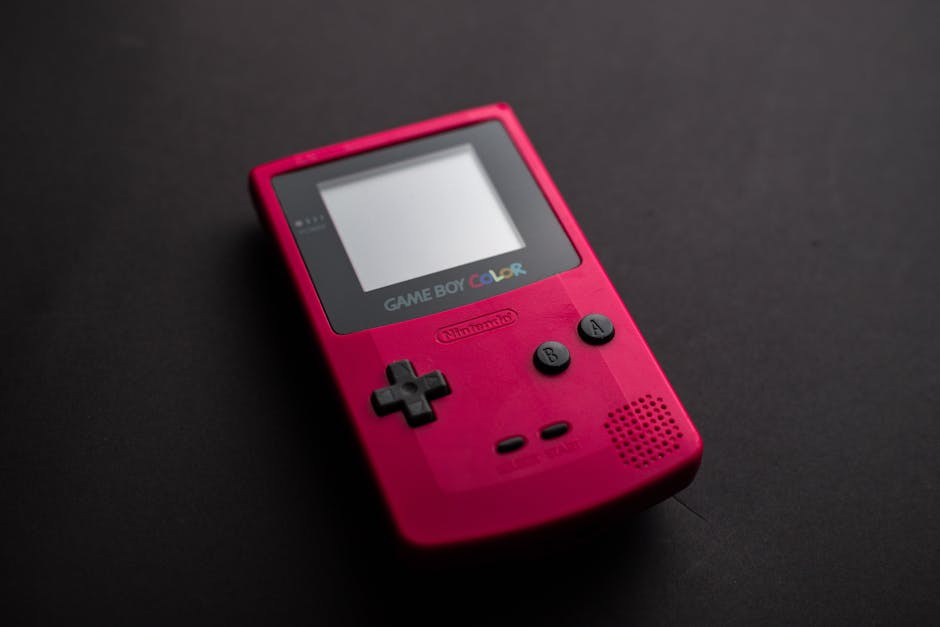
In an era where corporate customer service has become synonymous with automated chatbots, endless hold music, and rigid policy enforcement, a simple Reddit post about a pricing error for Cyberpunk 2077 on the Nintendo eShop has sparked an unexpected conversation. A user reported that after contacting Nintendo Support about a mistaken sale price, they didn’t just receive a correction or a refund—they were proactively called by a representative and offered a resolution that honored the erroneous price, resulting in unexpected compensation. This anecdote, while seemingly minor, has resonated because it feels like a relic from a different time. It contradicts the prevailing narrative of faceless corporate bureaucracy and instead points to a deliberate, human-centric approach that Nintendo has quietly cultivated for decades. But this isn’t just a feel-good story about good service; it’s a revealing case study in how Nintendo’s unique corporate culture, often perceived as stubborn or out-of-touch, is actually a sophisticated and highly effective business strategy that prioritizes long-term brand equity and customer loyalty over short-term transactional gains. As the gaming industry grapples with subscription fatigue, platform wars, and an increasingly cynical consumer base, Nintendo’s approach to customer relationships offers a masterclass in building a resilient, beloved brand in a volatile market. Their strategy demonstrates that in a business where player trust is constantly being eroded by microtransactions, data privacy concerns, and broken launches, treating customers with genuine respect and flexibility isn’t just good PR—it’s a sustainable competitive advantage that directly impacts the bottom line. We’ll explore how this single support ticket is a microcosm of a much larger philosophy, one that explains why, despite being technologically conservative and often frustratingly proprietary, Nintendo maintains a fanatical loyalty that its competitors can only envy. This analysis argues that Nintendo’s customer service is not a cost center but a core pillar of its brand identity, a strategic asset that has helped it weather industry storms and outlast seemingly more powerful rivals, and it holds critical lessons for the entire tech sector about the enduring value of human connection in a digital age.
Breaking Down the Details
To understand why this incident is significant, we need to dissect what actually happened and contrast it with industry norms. The user encountered a pricing error—a common digital storefront glitch where a game is listed at an incorrect sale price. The standard industry playbook, perfected by giants like Steam, Microsoft, and Sony, is clear: upon discovery, the error is silently corrected. Any purchases made at the mistaken price are typically honored as a gesture of goodwill (to avoid legal headaches and PR disasters), but customers who missed the window are simply out of luck. The transaction is viewed through a purely legal and logistical lens. Nintendo’s response broke this script. First, the user initiated contact, which already places the incident outside the typical “silent fix” scenario. Instead of a templated email citing policy, a human representative engaged. More importantly, the support agent didn’t just react; they were proactive, initiating a follow-up phone call. This shift from passive, text-based support to active, vocal engagement is a massive differentiator in an industry where phone support is being phased out as a cost-saving measure. The resolution itself—honoring the erroneous price for the customer who reported it—goes beyond mere policy compliance. It’s a discretionary act of generosity. From a purely financial perspective, the cost to Nintendo was negligible: a digital copy of a third-party game has virtually zero marginal cost. But the perceived value to the customer was immense, transforming a potential frustration into a powerful brand-positive memory. This is a calculated application of the “peak-end rule” from behavioral psychology, where people judge an experience largely based on how they felt at its peak and at its end. Nintendo engineered a positive peak and a remarkably positive end. Contrast this with notorious industry low points: the chaotic launch of Cyberpunk 2077 itself on other platforms, which required mass refunds and storefront removals, or the more recent trend of games launching in broken states with promises of future fixes. In that context, Nintendo’s handling of a minor pricing error isn’t just good service; it’s a stark demonstration of operational discipline and customer-centric priority setting. It reflects a corporate culture where support staff are empowered to make judgment calls that benefit the customer, rather than being forced to adhere to a strict, unyielding script. This empowerment is expensive and requires significant training and trust, but the return on investment is a customer base that feels heard and valued, not processed. Data from the American Customer Satisfaction Index (ACSI) consistently shows Nintendo ranking highly in the video game industry category, often alongside or above competitors with more robust online infrastructures. This isn’t an accident; it’s the result of a deliberate, systemic choice to view customer service as a brand-building exercise, not a cost to be minimized.
Industry Impact and Broader Implications
Nintendo’s approach creates ripple effects that extend far beyond a happy Reddit user. In the broader gaming industry, where customer acquisition costs are skyrocketing and platform holders are locked in a fierce battle for user engagement, loyalty is the ultimate currency. Microsoft’s Game Pass and Sony’s PlayStation Plus are essentially multi-billion-dollar bets on locking users into subscription ecosystems. Their customer service, while functional, is often designed to manage the subscription relationship—handling billing issues, cancellations, and tier changes. It’s transactional. Nintendo’s service, by contrast, is relational. It focuses on the individual’s experience with the brand, not just their account status. This has profound implications. For one, it builds a different kind of lock-in: emotional loyalty. A player who feels genuinely respected by Nintendo is less likely to defect over a hardware spec sheet or a temporary exclusive. They become brand ambassadors, sharing positive stories (like our Reddit case) and defending the company during missteps. This creates a virtuous cycle that marketing budgets can’t buy. Who benefits from this model? Clearly, Nintendo does, by cultivating a resilient, forgiving fanbase. But third-party publishers and developers on the Switch platform benefit indirectly. A platform known for good customer service and a happy, engaged user base is a more attractive place to publish. It suggests a stable, well-managed environment. The losers are arguably Nintendo’s direct competitors, who must compete not just on games and hardware, but on the entire customer experience—a dimension where they have largely chosen to compete on price (subscriptions) and convenience (cloud saves, cross-play) rather than personalized care. Furthermore, this impacts industry norms. As stories of Nintendo’s service circulate, they raise consumer expectations for all companies. Why can’t Sony or Microsoft’s support be this helpful? This creates subtle pressure on the entire sector to improve, or at least to explain why they can’t. From a market perspective, Nintendo’s strategy is a form of differentiated branding in a crowded field. While others compete on teraflops and day-one releases, Nintendo competes on joy, nostalgia, and trust. Their customer service is a direct expression of that brand promise. It tells the customer, “We care about your experience with our world.” This is not without its costs. Maintaining high-touch, human-centric support is undoubtedly more expensive than automated systems. It requires significant investment in training and corporate culture. However, for Nintendo, this cost is offset by the premium prices their first-party software commands and the longevity of their hardware cycles. They are not competing in a race-to-the-bottom on hardware margins; they are selling an experience, and the support system is part of that package. Expert analysts, like those at Kantan Games and Niko Partners, have noted that Nintendo’s brand strength allows it to operate by its own rules. This customer service philosophy is a key component of that strength, creating a moat that is difficult for competitors to cross because it’s rooted in culture, not just technology.
Historical Context: Similar Cases and Patterns
To claim this is an isolated incident would be to misunderstand Nintendo’s history. This philosophy of customer-centric flexibility, often hidden behind a facade of strict corporate policy, has precedents. During the early days of the Nintendo Entertainment System (NES) in North America, facing a market decimated by the 1983 video game crash, Nintendo took extraordinary steps to ensure quality and consumer trust. The “Nintendo Seal of Quality” was more than a logo; it was a promise that curbed the flood of shoddy Atari 2600 games that had destroyed consumer confidence. They positioned themselves not just as a toy company, but as a responsible steward of the home gaming experience. Fast forward to the Wii era. When the revolutionary motion controllers began causing well-publicized incidents of broken televisions and injured players, Nintendo’s response was swift and generous. They expanded wrist strap designs, launched widespread public safety campaigns, and, in many documented cases, offered to repair or replace damaged property—even when the damage was arguably due to user error. They took responsibility for the ecosystem they created. Another telling example is the Nintendo 3DS. Shortly after its launch at a $250 price point, Nintendo faced sluggish sales. In a stunning move, they dropped the price to $170 within six months. But for early adopters who paid the premium, Nintendo didn’t just say “tough luck.” They created the “Ambassador Program,” gifting those early buyers 20 free classic Virtual Console games. This was a direct acknowledgment of customer loyalty and a good-faith effort to make amends for a rapid devaluation. Compare this to Sony’s handling of the PlayStation 3’s infamous $599 launch price and subsequent cuts, which offered no such consolation to early buyers, or Microsoft’s Red Ring of Death saga, which, while eventually addressed with a massive warranty extension, was initially met with resistance. The pattern is clear: when faced with a choice between rigid policy and preserving goodwill, Nintendo has repeatedly chosen the latter, even at a short-term cost. This isn’t to say they are infallible—the chaotic launch of the Wii U and its subsequent poor communication is a counter-example. But the consistency of these goodwill gestures over decades suggests a deep-seated corporate instinct. It fits perfectly with their overall business model, which has always valued the long-term health of the platform and its community over maximizing every single quarterly profit. They play a marathon, not a sprint, and treating customers well is part of the endurance strategy. This historical context transforms the Cyberpunk 2077 pricing error from an anomaly into a predictable expression of a longstanding, if under-analyzed, corporate trait.
What This Means for You
For the average consumer, investor, or gaming enthusiast, Nintendo’s approach offers several clear takeaways. First, as a consumer, you should adjust your expectations when dealing with Nintendo Support. While not every interaction will result in unexpected compensation, you are engaging with a system that is demonstrably more empowered and human-focused than many of its peers. It’s worth approaching them with respect and clarity if you have an issue; the system is designed to reward good-faith communication. Don’t assume the first “no” is the final answer, as representatives may have more flexibility than their initial scripts imply. For investors, this customer service philosophy is a critical, if intangible, asset on Nintendo’s balance sheet. It contributes directly to brand equity, customer retention, and lifetime value—metrics that are increasingly important in a hits-driven industry. When evaluating Nintendo’s performance, look beyond just hardware sales and software attach rates. Consider consumer sentiment and brand loyalty as leading indicators of platform health. A company that can command full price for five-year-old games (like The Legend of Zelda: Breath of the Wild) is leveraging this loyalty directly. For gaming enthusiasts and industry watchers, this is a case study in the power of soft skills. In debates about technological supremacy, it’s easy to forget that millions of players are not hardcore spec analysts; they are people who want to feel good about their purchases and their hobbies. Nintendo’s success is a reminder that user experience encompasses every touchpoint, from unboxing the hardware, to navigating the menu, to getting help when something goes wrong. The practical recommendation for all readers is this: value companies that value you. In an age of data extraction and engagement-optimized design, a company that demonstrates old-fashioned customer care is providing a rare and valuable service. Support those businesses with your wallet. Furthermore, if you’re a developer or work in the industry, study this model. Building a culture that empowers front-line staff to create positive memories can be a more sustainable long-term strategy than purely competing on features or content. For consumers frustrated with other platforms, use stories like this as leverage. Ask why other companies can’t provide a similar level of service. Raise the bar.
Looking Ahead: Future Outlook and Predictions
As Nintendo prepares for the successor to the Switch, its customer service philosophy will face new tests and present new opportunities. The next 6-12 months will be critical. We predict that as the next-generation platform is announced and launched, Nintendo will leverage its reputation for trust and support to manage the transition. Expect clear, consumer-friendly policies regarding digital game transfers, account migration, and backward compatibility. They will likely use their support infrastructure to ease anxieties about moving to new hardware, potentially offering personalized assistance for complex issues. This will stand in stark contrast to the often-confusing transitions between PlayStation or Xbox generations. In the longer term, the biggest challenge to this model will be scale. As Nintendo’s digital ecosystem grows—with more accounts, more transactions, and a larger, more diverse global user base—maintaining high-touch service will become exponentially harder and more expensive. We predict Nintendo will attempt a hybrid approach: employing advanced AI and automation for routine queries (like password resets or basic troubleshooting) to triage volume, while deliberately reserving and training human agents for complex, sensitive, or goodwill-driven interactions. The key will be ensuring the automated systems don’t create friction that undermines the human-touch reputation. Another key development to monitor is how this philosophy extends to online play and community management. Nintendo’s online services have historically been their weakest link, with primitive features and limited communication tools. If they are serious about a holistic customer experience, a major investment in making their online ecosystem as respectful and well-supported as their direct customer service must be a priority. We may see new initiatives around player safety, dispute resolution, and community support that reflect the same empowering ethos. Finally, look for Nintendo to potentially monetize this reputation indirectly. While they would never sell “premium support,” they might bundle enhanced support or concierge services into higher-tier subscription plans or special edition hardware offerings, further solidifying the connection between premium experiences and premium care. The long-term implication is that as the gaming industry matures, the winners will be those who master the entire customer journey. Nintendo has a decades-long head start in understanding that the relationship doesn’t end at the point of sale; in many ways, it’s just beginning.
Frequently Asked Questions
Is this kind of generous service from Nintendo guaranteed?
Absolutely not, and it’s crucial to understand that. The Reddit case is an example of discretionary goodwill, not a published policy. Nintendo, like any company, has standard terms of service. While their culture appears to empower agents to make exceptions, outcomes will always depend on the specific circumstances, the nature of the issue, and the representative you reach. Setting an expectation of compensation for every problem will lead to disappointment. The lesson is about the potential for a human-centric resolution, not a guarantee. This is a common misconception. While profitability helps, this is a matter of priority, not just resources. Many highly profitable tech companies are notorious for poor, automated support. Nintendo chooses to allocate resources to this function as a strategic investment. During less profitable periods, like the Wii U era, anecdotal evidence suggests their support ethos remained consistent. It’s baked into their operational DNA, suggesting it’s viewed as essential, not discretionary spending for good times.
The comparison is stark. Valve’s Steam support was historically criticized for being slow and opaque, though it has improved. It remains largely ticket-based and digital, with less emphasis on phone support or proactive outreach. The Epic Games Store has faced similar critiques. Both platforms handle millions more users and transactions, which pushes them toward automation. Nintendo’s model is less scalable but more personal. It’s the difference between a global logistics hub and a local boutique; both have their place, but they offer fundamentally different experiences. It’s a valid risk, and one Nintendo’s support teams are undoubtedly trained to mitigate. The company likely uses internal metrics, account history, and the representative’s judgment to distinguish between good-faith requests and attempted exploitation. The fact that they still choose to empower their agents suggests they have calculated that the cost of occasional exploitation is outweighed by the immense brand value generated by countless positive, legitimate interactions. It’s a calculated risk in service of a larger brand trust strategy.
Be polite, clear, and factual. Contact support through the official channels on Nintendo’s website. Explain your issue concisely and provide any relevant information (order numbers, error codes, etc.). If the first response doesn’t resolve your issue, it can be worth politely asking if there are any other options or speaking to a supervisor, as the system allows for escalation. Remember, you’re interacting with a human being who is more likely to help someone who is respectful. The goal is to collaborate on a solution. This is the central tension in their model. For some users, no amount of friendly phone support compensates for the frustration of a missing technical feature they’ve come to expect from other platforms. For others, the feeling of being heard and valued when things go wrong is more important than any specific feature. It’s a trade-off. The ideal scenario, which Nintendo must work toward, is combining their human-centric service philosophy with a modern, feature-complete online infrastructure. They are not mutually exclusive.
It’s highly unlikely to change fundamentally. This philosophy is too deeply woven into Nintendo’s corporate identity and has proven its value over multiple hardware generations. However, the implementation will evolve. We should expect more digital tools, better self-service options, and perhaps integrated chat support alongside phone lines. The core principle—empowering humans to solve problems and create positive experiences—is a cultural constant that transcends any single piece of hardware. It is part of Nintendo’s enduring legacy.
Doesn’t this just mean Nintendo can afford to be generous because they’re so profitable?
This is a common misconception. While profitability helps, this is a matter of priority, not just resources. Many highly profitable tech companies are notorious for poor, automated support. Nintendo chooses to allocate resources to this function as a strategic investment. During less profitable periods, like the Wii U era, anecdotal evidence suggests their support ethos remained consistent. It’s baked into their operational DNA, suggesting it’s viewed as essential, not discretionary spending for good times.
How does Nintendo’s support compare to Valve’s Steam or Epic Games Store?
The comparison is stark. Valve’s Steam support was historically criticized for being slow and opaque, though it has improved. It remains largely ticket-based and digital, with less emphasis on phone support or proactive outreach. The Epic Games Store has faced similar critiques. Both platforms handle millions more users and transactions, which pushes them toward automation. Nintendo’s model is less scalable but more personal. It’s the difference between a global logistics hub and a local boutique; both have their place, but they offer fundamentally different experiences.
Couldn’t this approach be exploited by dishonest customers?
It’s a valid risk, and one Nintendo’s support teams are undoubtedly trained to mitigate. The company likely uses internal metrics, account history, and the representative’s judgment to distinguish between good-faith requests and attempted exploitation. The fact that they still choose to empower their agents suggests they have calculated that the cost of occasional exploitation is outweighed by the immense brand value generated by countless positive, legitimate interactions. It’s a calculated risk in service of a larger brand trust strategy.
What should I do if I have a problem with a Nintendo product or service?
Be polite, clear, and factual. Contact support through the official channels on Nintendo’s website. Explain your issue concisely and provide any relevant information (order numbers, error codes, etc.). If the first response doesn’t resolve your issue, it can be worth politely asking if there are any other options or speaking to a supervisor, as the system allows for escalation. Remember, you’re interacting with a human being who is more likely to help someone who is respectful. The goal is to collaborate on a solution.
Does Nintendo’s good service make up for their lack of features like robust cloud saves or easy account migration?
This is the central tension in their model. For some users, no amount of friendly phone support compensates for the frustration of a missing technical feature they’ve come to expect from other platforms. For others, the feeling of being heard and valued when things go wrong is more important than any specific feature. It’s a trade-off. The ideal scenario, which Nintendo must work toward, is combining their human-centric service philosophy with a modern, feature-complete online infrastructure. They are not mutually exclusive.
Will the successor to the Nintendo Switch change this customer service approach?
It’s highly unlikely to change fundamentally. This philosophy is too deeply woven into Nintendo’s corporate identity and has proven its value over multiple hardware generations. However, the implementation will evolve. We should expect more digital tools, better self-service options, and perhaps integrated chat support alongside phone lines. The core principle—empowering humans to solve problems and create positive experiences—is a cultural constant that transcends any single piece of hardware. It is part of Nintendo’s enduring legacy.