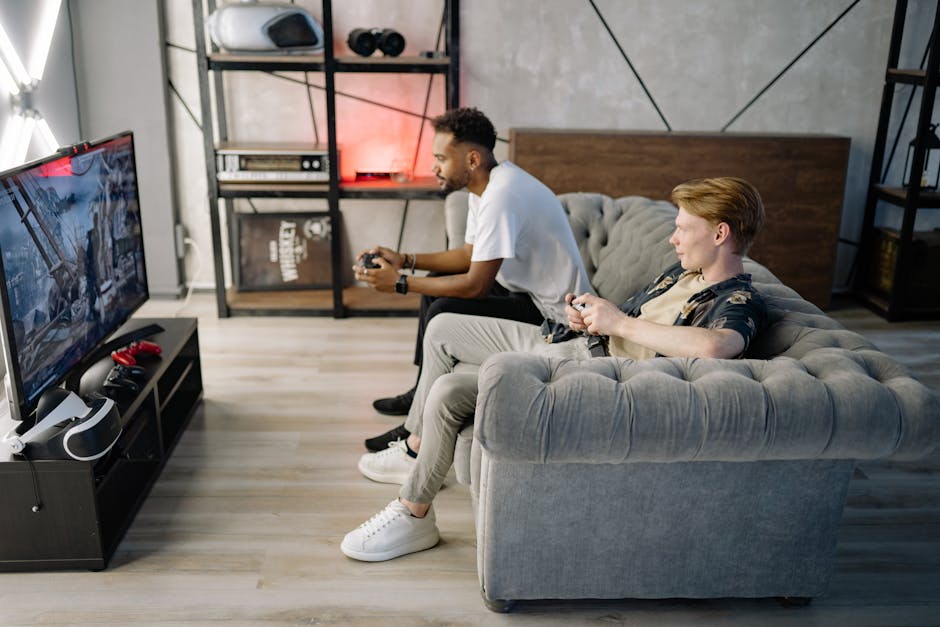
In recent years, a notable trend has emerged among adult Xbox gamers, marking a significant departure from the frenetic pace of competitive multiplayer titles. Many are now gravitating toward immersive single-player experiences, seeking solace and mental reprieve in richly crafted virtual worlds. This shift reflects a broader desire for personal escape and stress relief in an increasingly demanding daily life. The appeal lies in the ability to engage with games at one’s own pace, free from external pressures. The constant demands of modern adulthood, from professional responsibilities to social obligations, create a pervasive sense of being always “on.” This state of perpetual engagement leaves little room for genuine relaxation, making the self-directed nature of single-player games particularly appealing. Unlike multiplayer matches that often require immediate attention and coordination with others, these experiences offer a controlled environment where players set the tempo. The absence of real-time competition reduces anxiety, allowing for a more contemplative and restorative form of entertainment. For many, this represents a deliberate choice to reclaim their leisure time as a true break from daily stressors.
Competitive multiplayer environments have become synonymous with high-pressure scenarios that can exacerbate rather than alleviate stress. The term “sweaty” aptly describes the intense, often exhausting effort required to keep up in games dominated by leaderboards and ranked matches. Players frequently encounter toxic behavior, including trash-talking and unsportsmanlike conduct, which diminishes the enjoyment of gaming. This atmosphere can feel like a second job, where performance metrics overshadow personal satisfaction. The relentless pursuit of victory often leads to burnout, prompting a reevaluation of what gaming should provide.
Games like Starfield exemplify the kind of deep, narrative-driven experiences that are resonating with this audience. Its vast, explorable universe invites players to lose themselves in discovery and story rather than combat statistics. The freedom to chart one’s own course through the cosmos provides a sense of agency that is both empowering and calming. Every mission and side quest feels like a personal journey, unburdened by the need to outperform others. This design philosophy prioritizes immersion over competition, creating a sanctuary within the game world. Similarly, titles such as Hellblade 2 offer premium experiences that focus on emotional and psychological engagement. These games often feature stunning visuals and sound design that enhance the sense of being transported to another reality. The emphasis on character development and plot progression fosters a deeper connection to the material, making each session meaningful. Players report feeling a profound sense of peace as they navigate these carefully constructed narratives. The absence of multiplayer distractions allows the artistry and intent of the developers to shine through.
This transition is frequently described as a natural evolution that aligns with getting older and reassessing personal priorities. Mature gamers often find that their limited free time is too valuable to spend on frustrating or aggravating experiences. The realization dawns that gaming should enrich life rather than add to its burdens, leading to a more selective approach to game choices. Winning matches becomes less important than feeling fulfilled and relaxed after a play session. This mindset shift underscores a broader trend toward intentional leisure activities. The therapeutic benefits of single-player gaming are rooted in the ability to control one’s environment and outcomes. Players can pause, save, and resume at their convenience, eliminating the pressure of real-time commitments. This flexibility is especially valuable for those with unpredictable schedules or family responsibilities. The solitary nature of these games allows for introspection and mental decompression without external interruptions. It becomes a form of active meditation, where focus on the game world provides a respite from everyday worries.
Many adults report that their appreciation for storytelling in games has deepened over time, fueling their preference for single-player titles. Complex narratives with moral dilemmas and character arcs offer intellectual stimulation that competitive games often lack. The emotional resonance of a well-told story can be profoundly satisfying, leaving a lasting impact long after the console is turned off. This engagement mimics the experience of reading a great novel or watching a compelling film, but with interactive participation. The result is a more personally significant and memorable entertainment experience.
The social aspects of gaming are not entirely abandoned but are redefined within this new paradigm. Instead of relying on in-game communication with strangers, players often share their single-player experiences with close friends or online communities. Discussions focus on plot twists, character motivations, and hidden secrets rather than tactics or rankings. This fosters a more positive and collaborative form of social interaction centered on shared appreciation. The community becomes a source of enrichment rather than competition. Game developers have taken note of this demographic shift, investing more resources into high-quality single-player productions. The commercial and critical success of story-driven games demonstrates a viable market for experiences that prioritize immersion over competition. This feedback loop encourages the creation of more titles that cater to adults seeking meaningful engagement. The result is a growing library of games that offer depth, complexity, and emotional weight. Players benefit from an expanding selection of worlds to explore at their own pace.
The physical and mental health implications of this trend are overwhelmingly positive, as gaming becomes a tool for wellness. Engaging with calming virtual environments can lower cortisol levels and reduce feelings of anxiety after a stressful day. The sense of accomplishment from completing a quest or solving a puzzle provides a healthy boost to self-esteem without the volatility of competitive rankings. This form of play encourages persistence and problem-solving in a low-stakes setting. It represents a holistic approach to entertainment that supports mental well-being. Despite the clear benefits, some players initially struggle with the adjustment from fast-paced multiplayer to slower single-player games. The absence of immediate adrenaline rushes and social validation can feel unfamiliar at first. However, most find that the initial adjustment period gives way to a deeper and more sustained form of enjoyment. The satisfaction derived from narrative progression and world-building often surpasses the fleeting thrill of a competitive win. This realization solidifies the preference for immersive experiences over time.
The Xbox platform itself has evolved to support this trend through features like Quick Resume and extensive backward compatibility. These technologies enhance the single-player experience by reducing friction and preserving game state across multiple titles. The ability to seamlessly switch between stories accommodates the varied interests and time constraints of adult gamers. This infrastructure acknowledges the value of uninterrupted immersion and personal pacing. It reflects a commitment to catering to diverse play styles and preferences. Looking ahead, the demand for sophisticated single-player experiences is likely to grow as the gaming population continues to mature. Developers who understand the nuanced needs of this audience will thrive by creating games that offer both escapism and emotional depth. The definition of a “successful” game may expand to include metrics beyond player count and engagement time. Titles that provide lasting value through storytelling and atmosphere will occupy an important place in the market. This evolution promises a richer and more diverse gaming landscape for everyone.
Ultimately, the shift toward single-player gaming among adults represents a broader cultural movement toward mindful consumption of entertainment. It acknowledges that leisure time should be restorative and personally meaningful rather than another arena for performance anxiety. The choice to explore virtual worlds alone is not about isolation but about curating a positive mental space. This trend highlights the enduring power of games to provide comfort, inspiration, and respite. It reaffirms that play, in all its forms, remains an essential part of the human experience. The psychological underpinnings of this shift reveal fascinating insights about how adults process stress and seek restoration. Research in gaming psychology suggests that immersive single-player experiences activate different cognitive pathways than competitive multiplayer games. While competitive gaming often triggers the sympathetic nervous system associated with fight-or-flight responses, narrative games tend to engage the parasympathetic system responsible for relaxation and recovery. This neurological difference explains why many players report feeling genuinely refreshed after a single-player session rather than drained. The ability to make meaningful choices within a game world provides a sense of control that counterbalances the unpredictability of daily life. This psychological restoration becomes increasingly valuable as adults navigate complex career and family responsibilities.
Consider the example of a healthcare worker returning from a demanding shift at the hospital. Where once they might have decompressed with a few rounds of a competitive shooter, many now prefer exploring the detailed landscapes of games like The Elder Scrolls V: Skyrim or the atmospheric worlds of Plague Tale: Requiem. The contrast between their high-stakes professional environment and the peaceful exploration of virtual realms creates a therapeutic balance. The absence of time pressure and performance metrics allows for genuine mental unwinding. This pattern repeats across various professions, from teachers to software engineers, all seeking similar restorative experiences through gaming.
The evolution of game design itself has facilitated this transition toward more contemplative experiences. Modern single-player games often incorporate sophisticated mechanics that reward patience and observation rather than quick reflexes. Games like Sable or Firewatch emphasize exploration and environmental storytelling over combat, creating spaces for reflection and emotional connection. The pacing of these experiences aligns perfectly with the needs of adults seeking meaningful engagement rather than adrenaline spikes. Developers have become increasingly skilled at crafting worlds that feel alive and responsive without demanding constant vigilance or competition. This design evolution represents a maturation of the medium that parallels the aging of its audience.
Some critics argue that this trend toward solitary gaming experiences might lead to social isolation, but the reality proves more nuanced. Many adult gamers maintain robust social connections through other means while using single-player gaming as intentional alone time. The distinction between loneliness and solitude becomes crucial here—these players are choosing purposeful isolation for mental health benefits rather than suffering from social withdrawal. Furthermore, single-player games often become shared experiences through streaming, online discussions, and social media sharing. The communal aspect simply shifts from synchronous competition to asynchronous appreciation of narrative and artistic achievement.
The economic implications of this demographic shift are substantial and already influencing industry trends. Major publishers who once prioritized live-service multiplayer games are now investing heavily in single-player experiences after observing market signals. The success of titles like Baldur’s Gate 3 and Cyberpunk 2077 demonstrates the commercial viability of deep, narrative-focused games. This economic validation ensures that developers will continue creating the types of experiences that adult gamers increasingly prefer. The result is a virtuous cycle where player preferences drive creative decisions, leading to more sophisticated and emotionally resonant gaming experiences.
Another fascinating aspect of this trend involves how it intersects with broader cultural movements around mindfulness and digital wellness. Many adults approaching single-player gaming do so with the same intentionality they might apply to meditation or other wellness practices. The careful selection of games based on emotional tone and pacing reflects a conscious approach to entertainment consumption. Some players even curate specific gaming sessions to match their emotional needs—choosing calming exploration games after stressful days or emotionally complex narratives when seeking catharsis. This mindful approach transforms gaming from mere distraction to purposeful emotional regulation.
The role of nostalgia also plays a significant part in this transition for many adult gamers. Returning to single-player experiences often reconnects players with the types of games they enjoyed during childhood, before the dominance of online multiplayer. This nostalgic connection adds another layer of comfort and familiarity to the experience. Games that evoke memories of earlier gaming eras provide not just entertainment but emotional anchoring in turbulent times. The combination of nostalgic comfort and mature storytelling creates a uniquely powerful form of escapism that resonates deeply with adults navigating midlife challenges.
Accessibility features in modern single-player games further enhance their appeal to time-constrained adults. Options like adjustable difficulty settings, extensive save systems, and customizable controls allow players to tailor experiences to their specific needs and limitations. A parent might appreciate the ability to pause at any moment when childcare demands attention, while someone with physical limitations can adjust control schemes to remain comfortable during extended sessions. These accessibility considerations demonstrate how single-player gaming has evolved to accommodate diverse adult lifestyles in ways that competitive multiplayer often cannot.
Looking toward the future, technological advancements promise to deepen the immersive qualities that make single-player experiences so compelling for adults. Developments in artificial intelligence could create more responsive and emotionally intelligent non-player characters, enhancing narrative engagement. Improvements in virtual reality might eventually provide even more profound levels of immersion and escapism. The continued evolution of cloud gaming could make these experiences more accessible across different devices and contexts. Each technological leap offers new possibilities for creating the kinds of restorative virtual spaces that adult gamers increasingly seek.
This transformation in gaming preferences reflects broader societal changes in how adults conceptualize leisure and self-care. The recognition that entertainment should serve psychological needs rather than just provide distraction represents a significant evolution in cultural attitudes. Single-player gaming has become one of many tools that adults use to maintain mental equilibrium in an increasingly complex world. The very fact that gaming can serve this function demonstrates how far the medium has come in terms of artistic and emotional sophistication. What began as simple entertainment has evolved into a legitimate form of emotional self-care for millions of adults.